
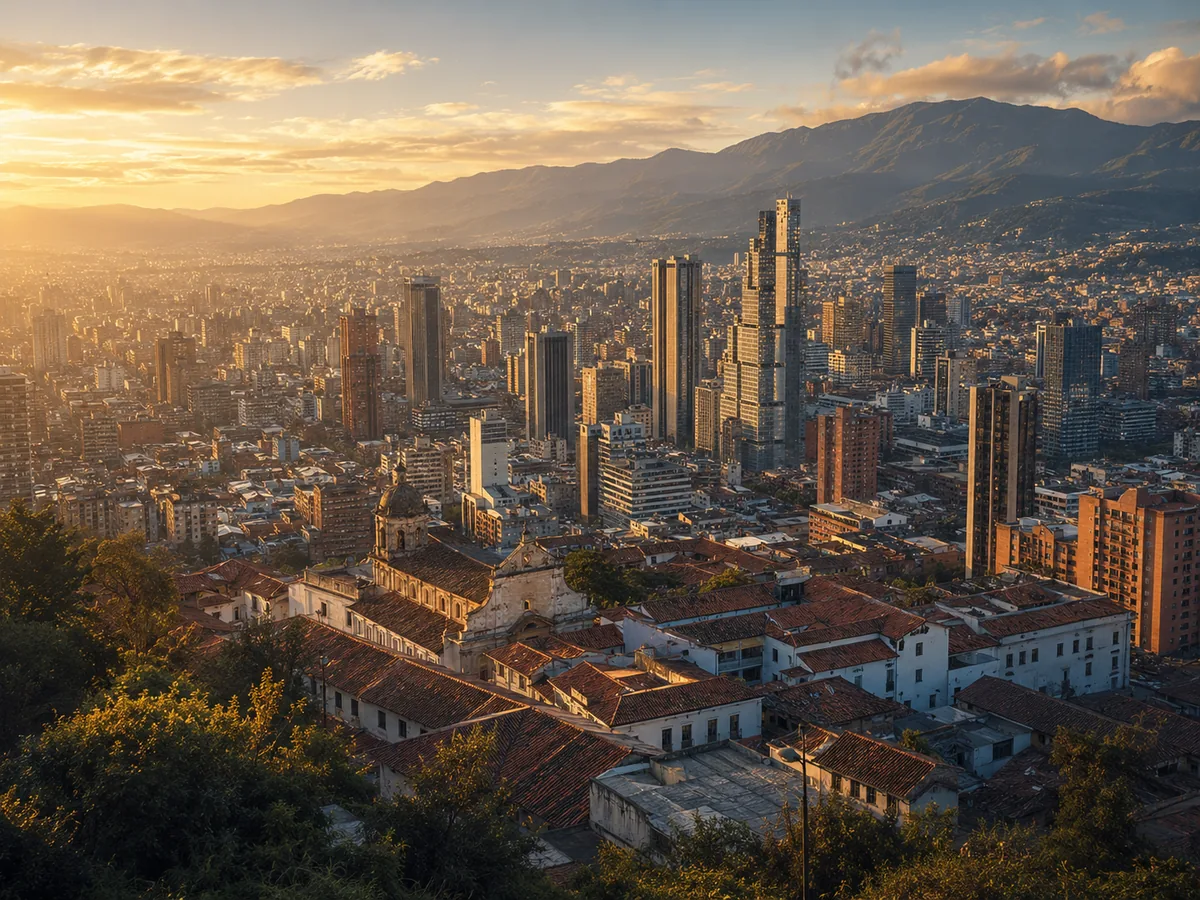
MEDELLÍN · BOGOTÁ
Colombia
LASIK $900–$1,800
Safety ★★★★★
Compare LASIK, PRK, SMILE, and ICL costs across 12 destinations. Real 2026 prices, safety data, and surgeon credentialing — no upsells, no fake reviews.
Sorted by our 2026 composite score (cost, surgeon credentialing depth, equipment currency, complication rates, and post-op accessibility). Colombia sits at the top — but the right country depends on your prescription, budget, and how far you're willing to travel.

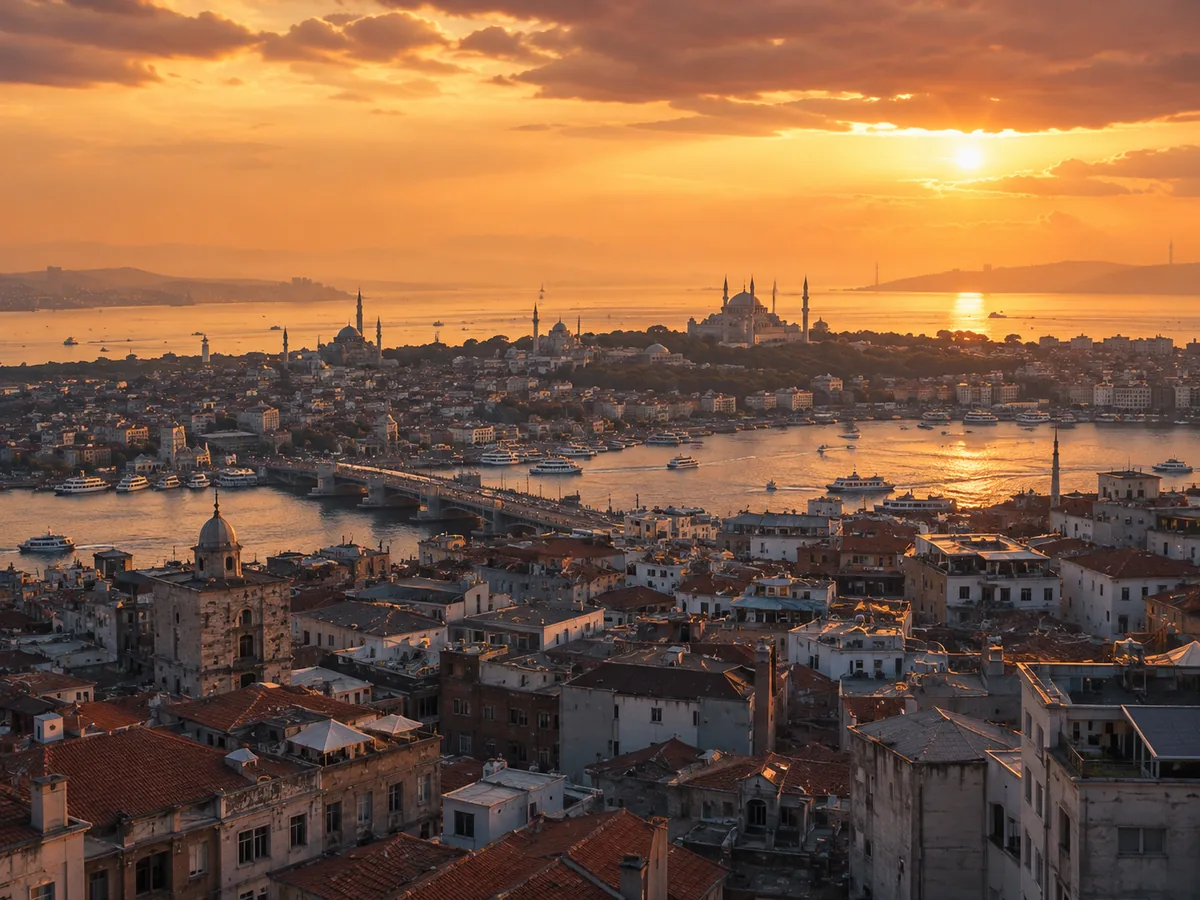

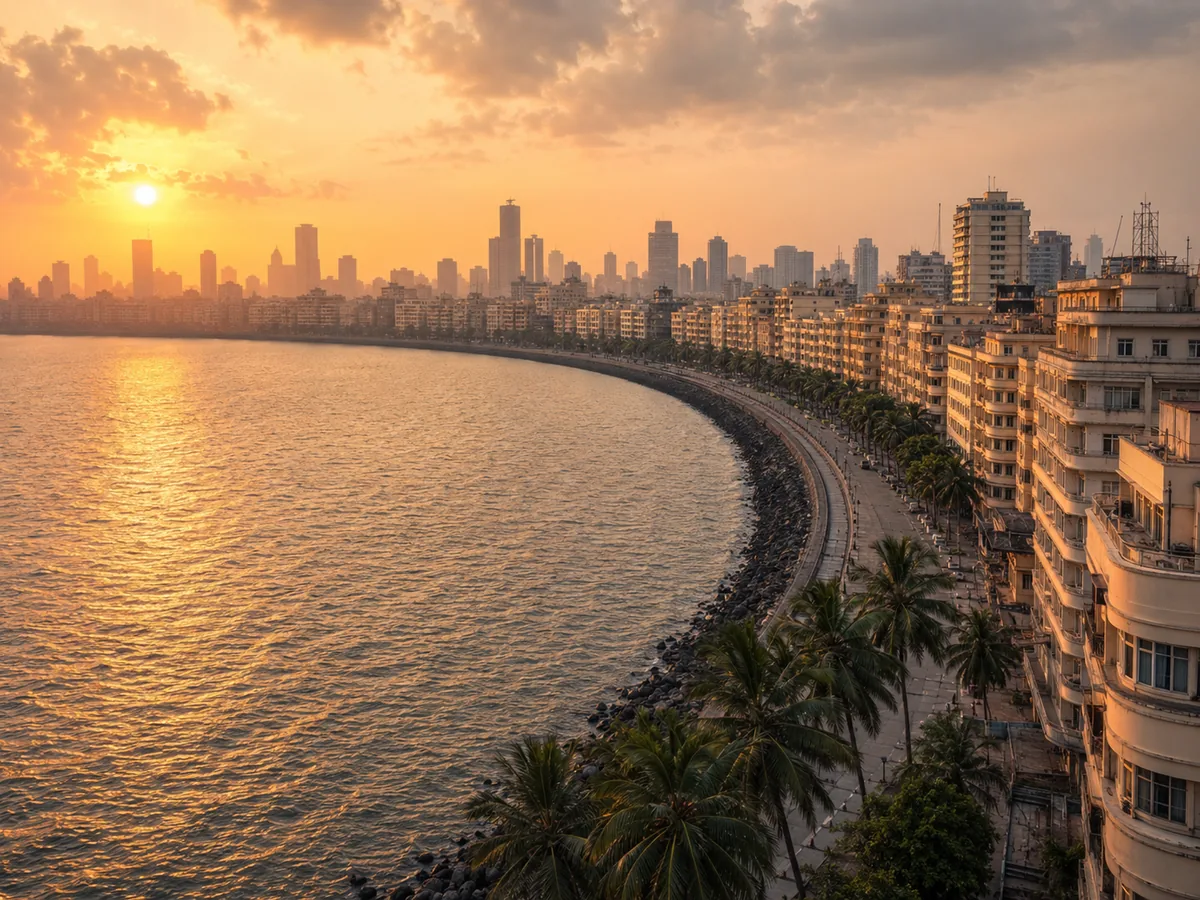
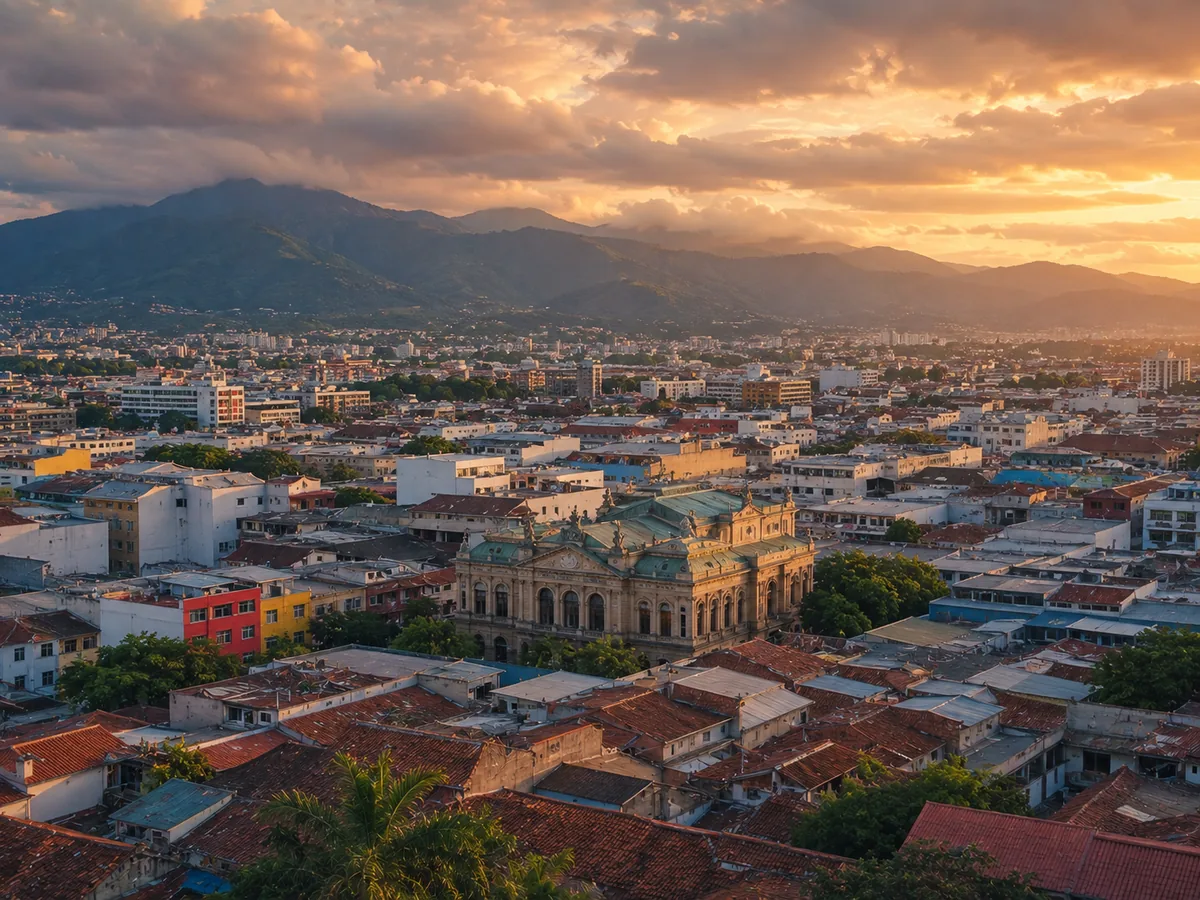
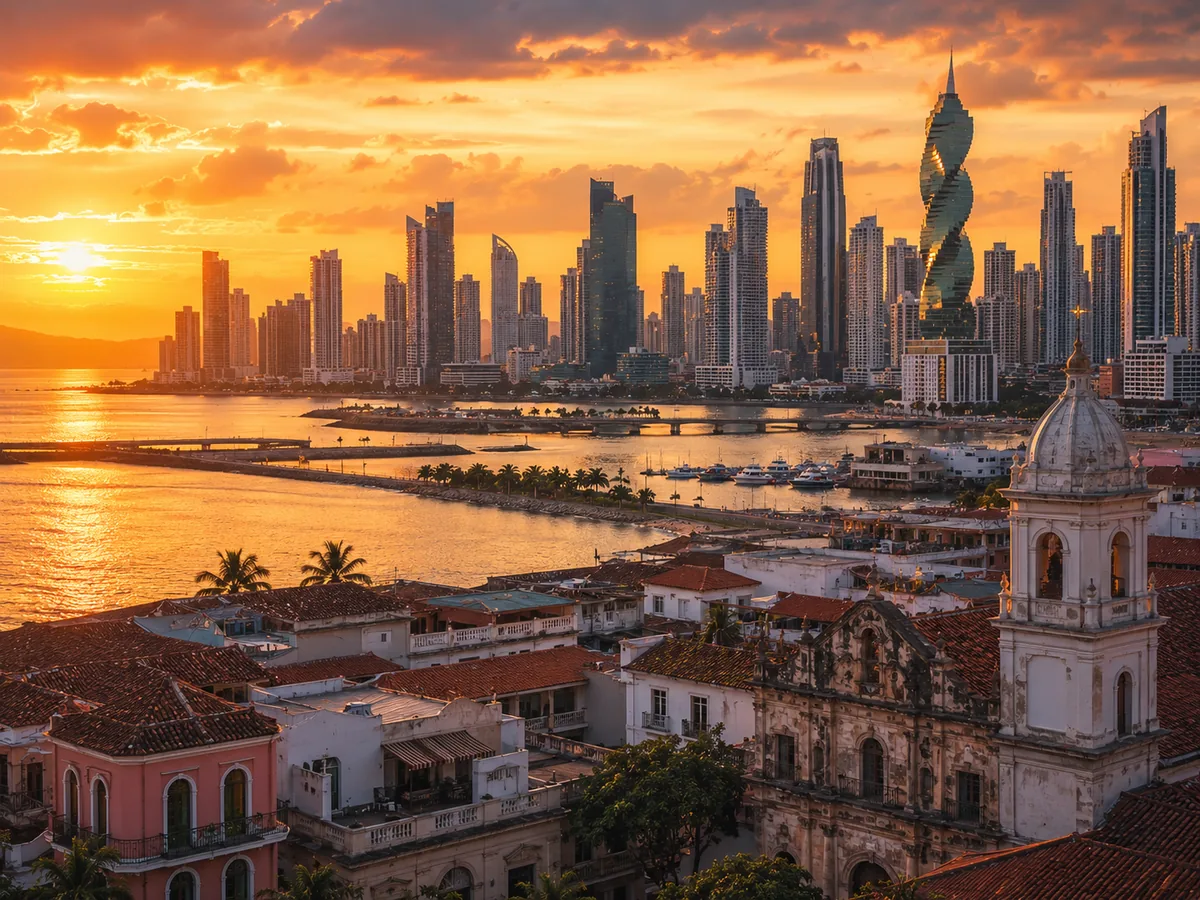


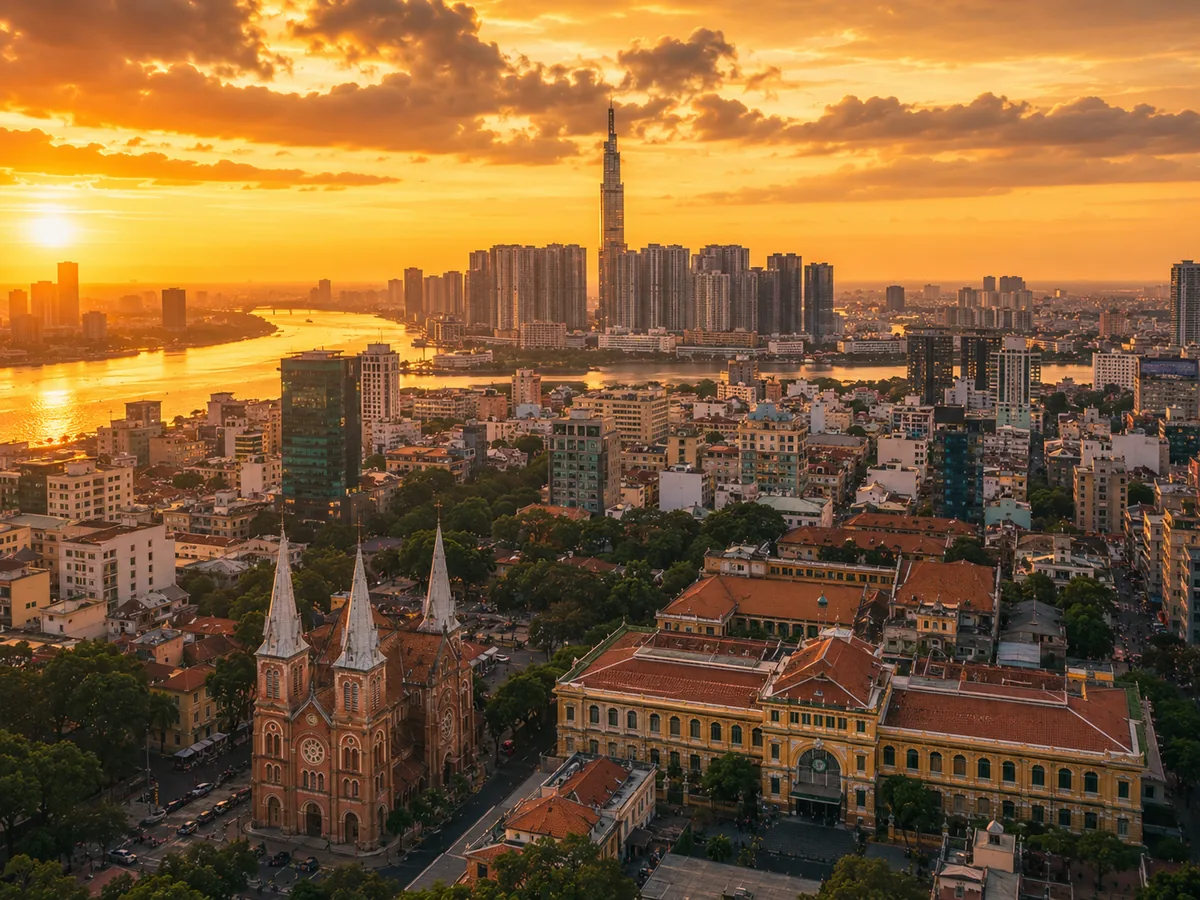
Package prices in USD, current as of Q3 2026. These are typical clinic ranges from destination hospitals — not quotes. Actual pricing depends on your prescription, procedure choice, and clinic tier.
| Country | LASIK | PRK | SMILE | ICL |
|---|---|---|---|---|
| Colombia | $1,100 | $950 | $1,600 | $2,900 |
| Turkey | $1,200 | $1,050 | $1,800 | $3,100 |
| India | $1,000 | $850 | $1,500 | $2,700 |
| Vietnam | $1,150 | $1,000 | $1,700 | $2,800 |
| Thailand | $1,700 | $1,450 | $2,200 | $3,600 |
| Mexico | $1,500 | $1,300 | $2,000 | $3,400 |
| Poland | $1,300 | $1,100 | $1,900 | $3,200 |
| Czech Republic | $1,550 | $1,350 | $2,100 | $3,500 |
| Panama | $2,100 | $1,800 | $2,600 | $3,900 |
| Costa Rica | $1,950 | $1,700 | $2,500 | $3,800 |
| South Korea | $2,400 | $2,100 | $3,000 | $4,400 |
| Spain | $2,300 | $2,000 | $2,900 | $4,200 |
| United States (reference) | $2,632 | $2,300 | $3,500 | $4,800 |
★ marks the lowest price in each category. Prices reflect all-inclusive clinic packages typical for a straightforward moderate-prescription case (myopia −2.00 to −6.00 D). Complex prescriptions, custom wavefront, and topography-guided procedures typically cost 15–25% more.
Not every eye qualifies for LASIK. Your corneal thickness, prescription strength, dry-eye risk, and lifestyle all shape which procedure is safest and most effective — and where it's most affordable.
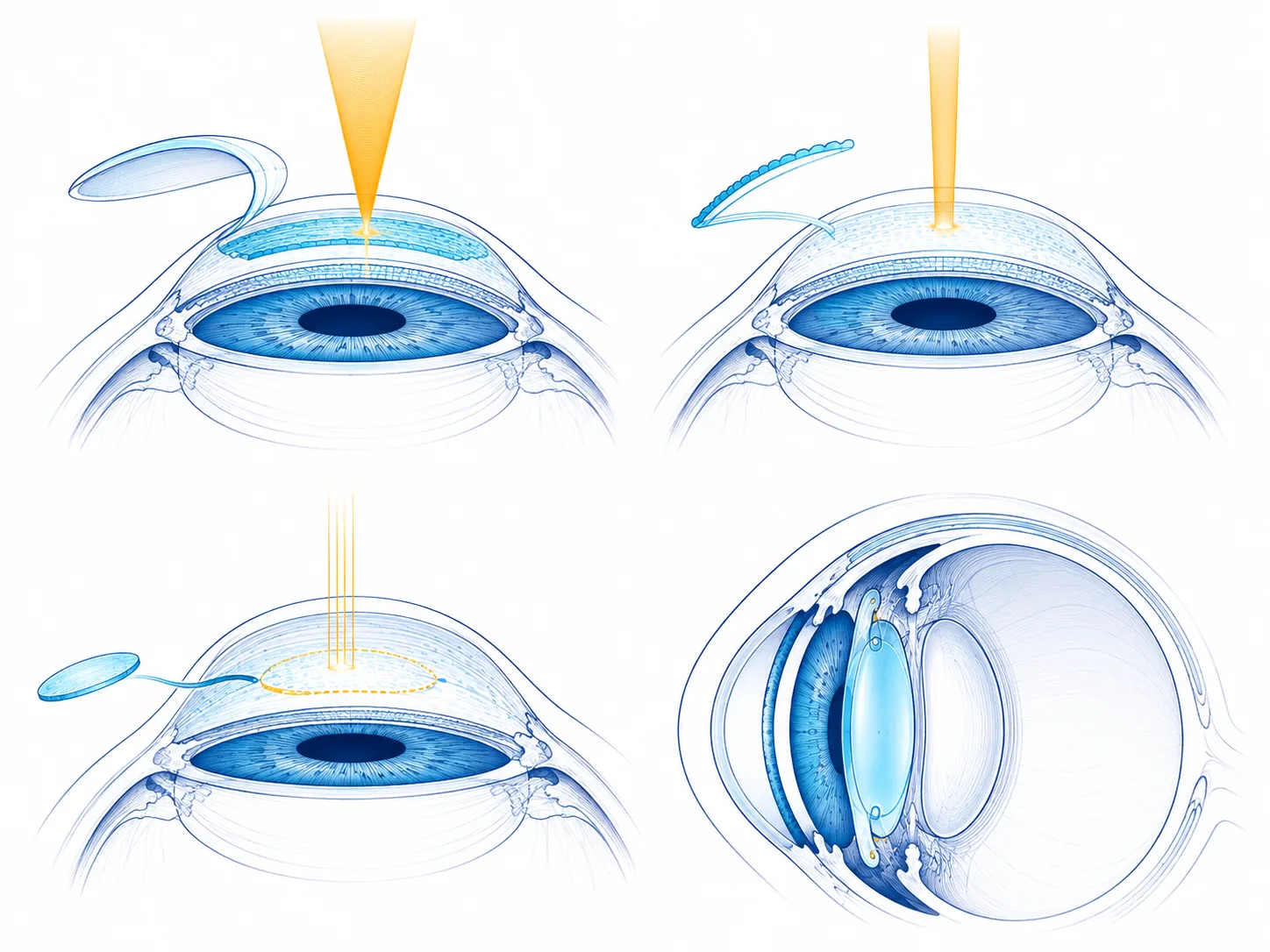
The industry standard. A thin corneal flap is lifted, an excimer laser reshapes the underlying stroma, and the flap is repositioned. Fast recovery (24–48h), suitable for most mild-to-moderate prescriptions.
No flap created. The outer epithelial layer is removed and the laser treats the surface directly. Longer recovery (5–10 days) but preferred for thin corneas, athletes, and military candidates.
Flapless and minimally invasive. A femtosecond laser cuts a small lenticule of tissue that's removed through a 2–4mm incision. Lower dry-eye risk, faster corneal biomechanical recovery.
Not laser surgery. A thin, biocompatible lens is placed between the iris and natural lens. Reversible, ideal for very high prescriptions (up to −18 D) or corneas too thin for LASIK.
We don't rank clinics we haven't verified. Every destination on this site is scored against the same five criteria — publicly, methodically, and updated quarterly.
Country-level oversight of refractive surgery, from FDA-equivalent bodies to national ophthalmology boards.
Verifiable training, board certification, and public credentialing registries like ReTHUS (Colombia).
Modern platforms — Zeiss VisuMax, Alcon EX500, Bausch + Lomb Teneo — and how consistently they're deployed.
Enhancement rates, dry-eye incidence, and flap complications. Where public data exists, we cite it. Where it doesn't, we say so.
Follow-up logistics, remote care protocols, and how a US or Canadian patient handles a rare complication after returning home.
Whether the quoted price includes consult, procedure, both eyes, meds, and follow-ups — or hides them.
WHO-ranked #1 healthcare system in the Western Hemisphere. English-speaking surgeons trained in the US and Spain. Same-day equipment as top American clinics — at roughly one-third the price. Medellín and Bogotá clinics dominate our composite score for cost, safety, and surgeon depth.
See Colombia clinics →Complication rates at accredited clinics in Colombia, Turkey, South Korea, and Spain are statistically indistinguishable from US clinics — often better, because international clinics tend to use the newest equipment and see far higher case volumes per surgeon. Safety depends on the clinic and surgeon, not the country. Our destination rankings score this directly.
Most reputable international clinics offer 12-month remote follow-up protocols and coordinate with a US-based ophthalmologist for any post-op complications. The most common post-LASIK issues (dry eye, mild haloing, need for enhancement) can be managed by any local eye doctor. Serious complications are extremely rare (<0.5%) and typically manifest within the first 30 days — before you return home.
Minimum 5 days: consult and testing on day 1, procedure on day 2, mandatory 24-hour follow-up on day 3, and a final check on day 5 before flying. Many people extend to 7–10 days to make it a proper trip. PRK requires longer (10–14 days) because of the surface recovery.
Refractive surgery is elective and rarely covered by insurance, foreign or domestic. However, HSA and FSA funds can typically be used for LASIK, PRK, and SMILE performed abroad — check with your plan administrator. Some employers offer vision benefits with LASIK discount programs (VSP, EyeMed) that don't apply internationally.
We're a lead-referral network: when you contact a clinic through our WhatsApp introduction, we may earn a referral fee from the clinic — but only after your procedure is completed and you're satisfied. We don't get paid to rank clinics higher, and we don't accept clinics into our network unless they pass our vetting framework. Our incentive is aligned with yours: happy patients who complete procedures.
It depends on your prescription, corneal thickness, and lifestyle. Standard LASIK works for ~70% of candidates. Thin corneas or high dry-eye risk → PRK or SMILE. Very high prescription (over −8.00 D) or thin corneas → ICL. The clinic's pre-op testing (topography, pachymetry, wavefront) determines what's actually safe for your eyes. No ethical surgeon will do LASIK if PRK or ICL is safer.
Tell us your prescription, budget, and which destinations you're open to. We'll match you with clinics that fit — no forms, no upsells, no spam.
Get a quote on WhatsApp